Ashland Park
Grand historic homes on the lands of Henry Clay's estate — Lexington's most storied address.
A local's read on Ashland Park.
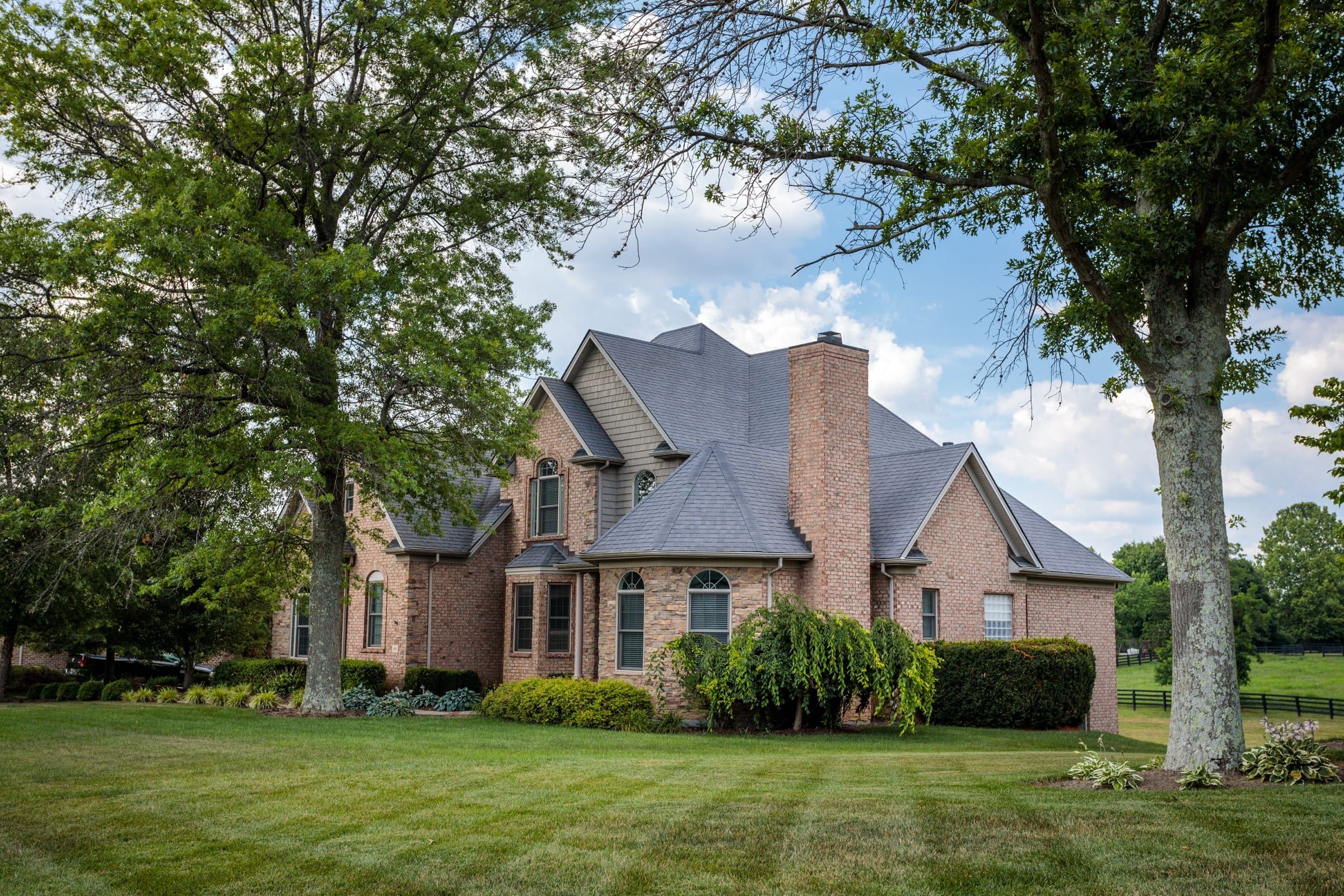
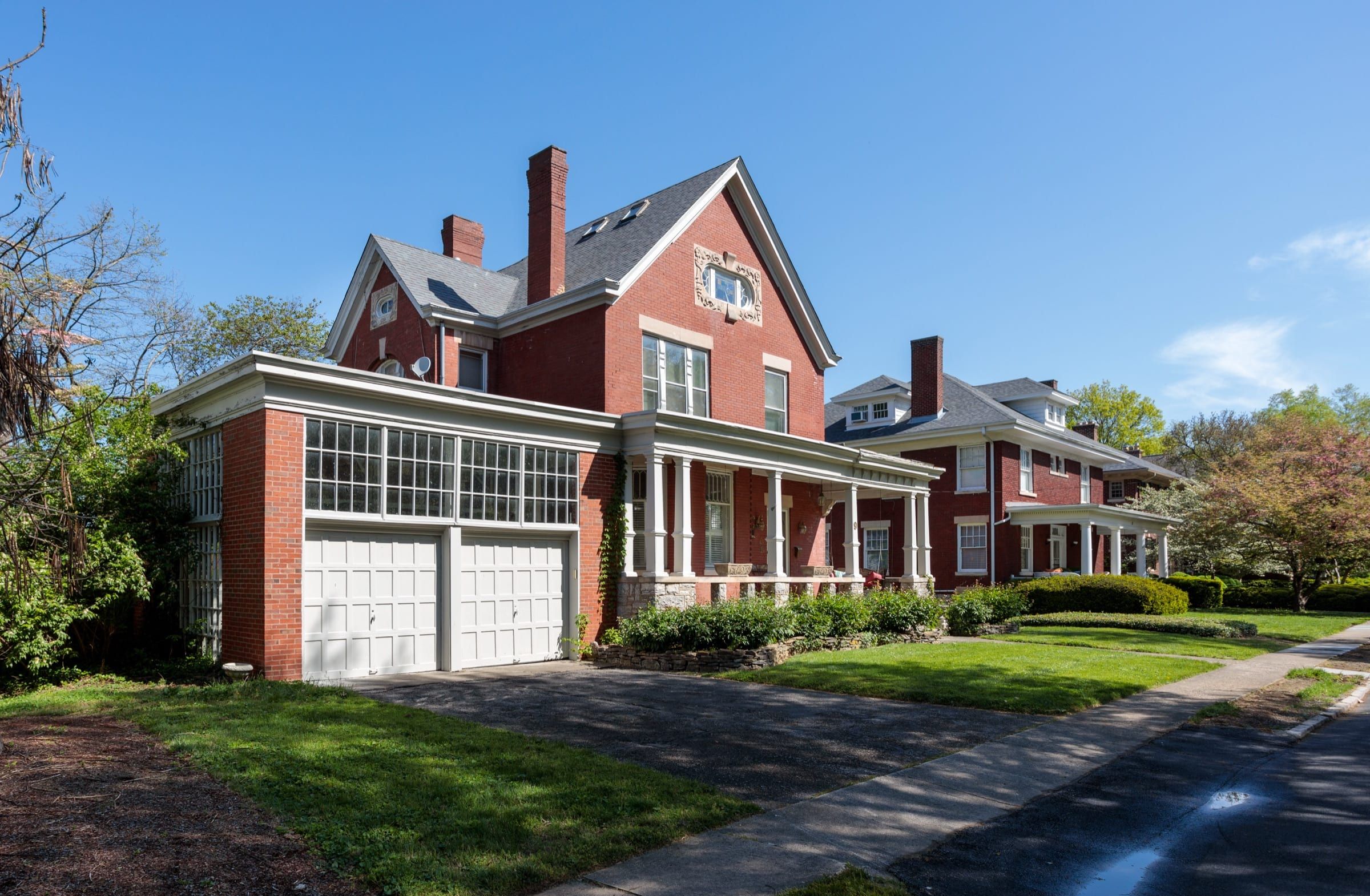
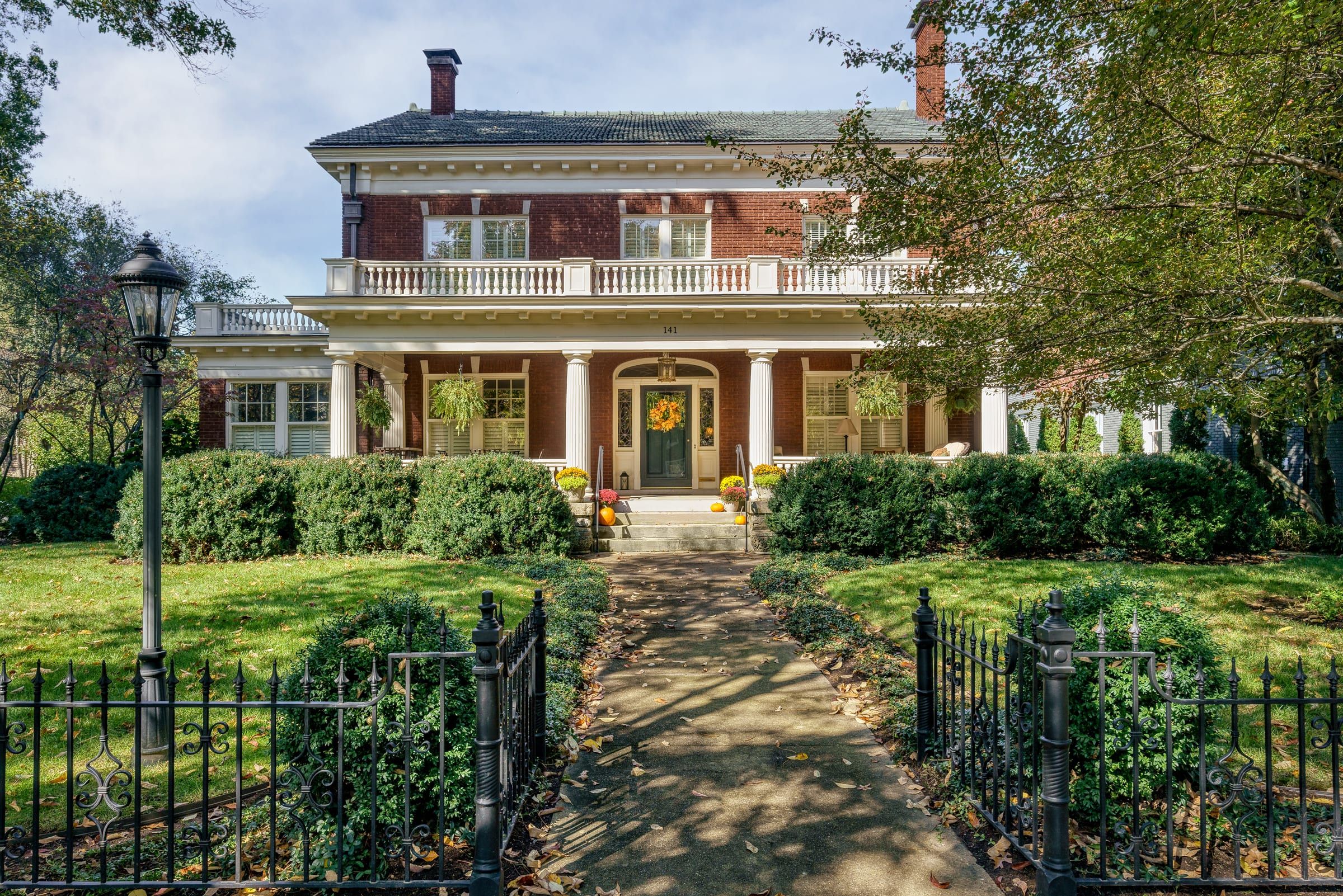
Ashland Park was platted in 1904 on land that once belonged to Henry Clay's Ashland estate — one of the earliest planned residential neighborhoods in the South. The streetscape is what you picture when you picture old Lexington: stone and brick homes from 1905–1940, boxwood hedges, gas lamps, wide sidewalks, and canopy oaks.
It's the premier historic address for buyers who want grand scale, walkability, and proximity to both downtown and the University of Kentucky.
The day-to-day feel.
Formal, quiet, established. You'll see neighbors walking dogs in the evening, kids biking to Clay Elementary, and not much traffic — Ashland Park is a destination, not a pass-through.
Strong neighborhood association, active preservation culture, and a calendar of low-key community events.
Before you write an offer.
- · Most homes are full-lot historic — 3,000–6,000+ square feet is common. Renovation quality varies widely; inspections matter.
- · Deed restrictions and local historic district rules may apply to exterior changes.
- · Inventory is tight; two or three homes may come available in a given quarter.
- · School assignment is typically Ashland Elementary, Morton Middle, Henry Clay High — verify for your specific address.
Close to what matters.
Looking for a home in Ashland Park?
Share your criteria and get a text the moment matching listings hit the MLS.